


Struggling with giving your dog ear drops at home every day?
We understand the challenges of treating ear infections at home - the stress of putting ear drops in dogs, the fear it can cause your pet, and the frustration of not knowing how to put ear drops in.
If you're experiencing any of these, you'll know it can put a strain on the bond between your dog and you. But don’t worry, you’re not alone.

1. Otitis externa
Otitis externa (OE) is the medical term for inflammation of the skin in the outer ear canal, often caused by an ear infection. It’s a leading cause of vet visits for dogs, and in most cases requires medical treatment and won’t go away on its own.
Symptoms of otitis externa:
OE comes with a range of symptoms:

Itching & scratching ear
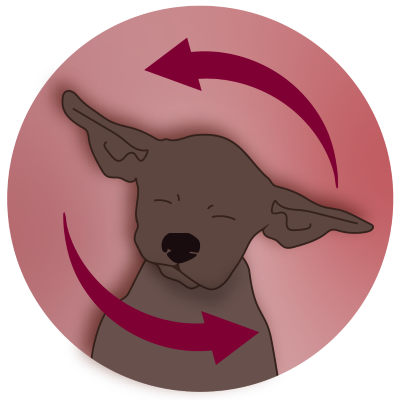
Shaking head
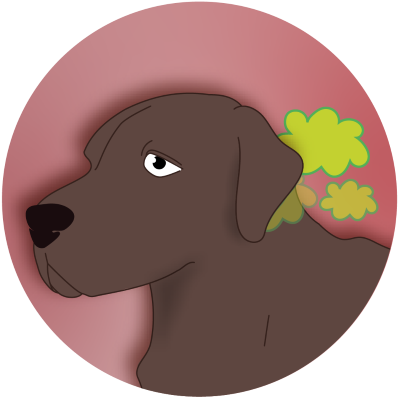
Ear smelling bad
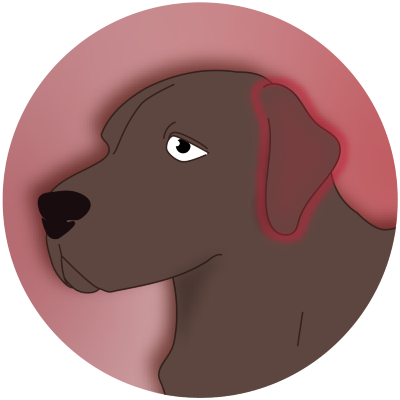
Reddened, sore ear
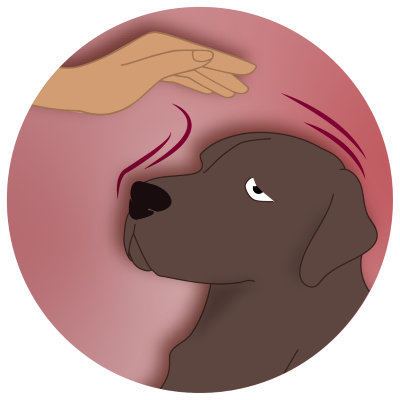
Reluctance to have ears touched
Discharge from ear
Causes of otitis externa and ear infections in dogs:
Causes of otitis externa and ear infections can vary but include:
- bacterial or yeast overgrowth
- parasites such as ear mites
- an allergic problem
- other factors such as plant materials like grass awns which can become trapped in the ear canal
- trapped water in the ear
Some dogs are more likely to develop ear infections due to having a certain ear structure, such as a small or narrow ear canal or floppy ears. These dogs are particularly at risk of recurrent ear infections, as are dogs that are more susceptible than others to environmental factors and allergens that may cause ear swelling, soreness and infection.
Treating otitis externa:
Canine otitis externa can be very painful for your dog and if left untreated, ear inflammation can worsen and lead to permanent changes to the structures of the ear, possibly affecting hearing as well. If you suspect your dog is suffering from an ear infection or inflammation, contact your vet immediately.
After an examination, your vet may recommend a topical treatment containing antibacterial, antifungal and anti-inflammatory agents, which your vet can apply directly into your dog’s ear. Other treatment options require daily at-home applications over the course of one or two weeks; fully completing treatment is crucial.
2. Ear damage or trauma
While dogs are usually sturdy animals, they can sometimes injure themselves — while going for a run, playing at the dog park or adventuring along a wooded trail. If you notice a change in your dog’s behaviour (suddenly lethargic, subdued or showing signs of ear pain and sensitivity), it's important to consult your vet right away.
3. Ear haematomas
An ear haematoma is a painful, blood-filled swelling that forms when a blood vessel within the ear flap (called the pinna) ruptures, causing blood and fluid to collect in a pool between the skin and the cartilage. It results in a droopy and swollen ear flap, the skin may be inflamed (red) and painful to touch.
Haematomas are typically caused by some kind of self-trauma, such as overly aggressive scratching or head shaking resulting from an underlying medical condition, such as an ear infection, ear mites or allergies.
Left untreated, the blood will clot and eventually scar but may cause a permanent deformity to the ear flap. To prevent this from happening, it’s important to take your dog to the vet for treatment, especially as they can be really uncomfortable for your dog. In some cases the haematoma can be drained with a needle and syringe, however the swelling may come back afterwards. If this happens, surgery might be needed. The vet will also determine what underlying condition caused the scratching and head shaking in the first place and address this appropriately. In many cases, a bacterial infection or itchy skin condition may be present.
4. Ear vasculitis
Ear vasculitis, or inflammation of the walls of the blood vessels in the ear flaps, results in a possibly severe skin condition on the flap of your dog’s ears. Common symptoms of ear vasculitis include:
- Red or purple spots on the ears
- Crusting of the skin
- Fluid-filled cysts
- Hair loss
- Itchiness and pain at the affected site
The cause of ear vasculitis is unknown in many cases. Possible causes can include an abnormal immune response, infections, adverse reactions to drugs and cancer. If you notice the signs of ear vasculitis in your dog, consult your vet right away for diagnosis and treatment.
What if we told you that simpler solutions exist?
Join the thousands who have been prescribed vet administered ONE DOSE solutions.
Here’s what you need to do:

If you’ve noticed signs of an ear infection in your dog, visit your vet right away for an assessment and share all the symptoms you’ve seen. They are best placed to advise you on the next steps and appropriate treatments.

Be honest and tell your vet if you are worried about putting in ear drops at home, or find it hard to do this. We guarantee it won’t be the first time they’ve heard that, and they are there to help you.

And remember, there are now one dose, vet administered treatments for ear infections available. These can be recommended by your vet if appropriate.
If your dog is showing signs of an ear infection, make sure to visit your vet & ask about all the available treatment options
References:
*One dose treatments for ear infections in your dog may be recommended by your vet when indicated.
1. Dog Owner Compliance Evaluation, June 2019, n=2000 dog owners from FR/IT/ES/DE/NL/BE/UK/AU.