
Reviewed by Dr Emelie Fogelberg, BSc, DVM

We share almost everything with our dogs and cats: our homes, our gardens, our couches and, for many of us, even our beds.
That close relationship is one of the best things about living with animals. But dogs and cats can sometimes carry organisms that can make people sick. These diseases and infections, known as zoonoses or zoonotic diseases, can pass naturally between animals and people.
The good news is that everyday contact with your dog or cat does not automatically mean you will become sick. But some zoonoses can cause significant illness, and understanding how they spread can help you reduce the risk without changing the way you enjoy life with your pet. Australian health authorities recommend simple measures such as handwashing, appropriate veterinary care and safely disposing of animal waste.1
What is a zoonosis?
A zoonosis is a disease or infection that can be transmitted naturally between animals and people.
Zoonotic diseases aren't all caused by the same type of organism. Dogs and cats can be associated with:
- Parasites including roundworms, hookworms, tapeworms and Toxoplasma.
- Bacteria including organisms associated with some gastrointestinal infections and animal bites or scratches.
- Fungi including the fungi that cause ringworm.
The way a zoonosis is transmitted depends on the particular organism. You don't necessarily catch a zoonosis simply by patting your dog or cat.
How can zoonoses spread from dogs and cats to people?
Contact with faeces and urine
Some organisms are passed in an animal's faeces or urine. People can then become exposed by touching contaminated material and subsequently touching their mouth or food.
This is particularly relevant to some parasites, including roundworms, hookworms and tapeworms. Some bacterial infections can also be spread through contact with animal faeces or urine.1,2
And importantly, a dog or cat doesn't necessarily have to look sick for this to happen. Some animals can carry organisms capable of causing disease in people without showing obvious signs of illness. In the case of hydatid tapeworm, domestic dogs can harbour thousands of adult tapeworms without being symptomatic.4
Bites and scratches
Dogs and cats can also transmit bacteria through bites and scratches.
Cats, for example, can transmit the bacteria associated with cat-scratch disease, which can cause swollen glands and fever. Dog and cat bites can also introduce bacteria deep into tissue and sometimes require medical treatment.1
Contact with infected skin, fur or contaminated objects
Some infections can be transmitted through direct contact with an infected animal or indirectly through contaminated bedding, grooming equipment or other surfaces.
Ringworm is a good example. Despite its name, it isn't a worm at all, it is a fungal infection. Certain fungi can be transmitted between infected dogs or cats and people, either through direct contact or contaminated material.5
Fleas and ticks
Fleas and ticks provide another potential route of exposure.
The cat flea is the most common flea in Australia, and it can feed on dogs, cats and people. Fleas can cause itchy bites and can also transmit flea tapeworm larvae.6
Ticks can also move between animals, vegetation and people. Depending on the species and location, tick bites can cause significant reactions or transmit infections. A dog that picks up ticks outdoors can potentially bring them into the household.
Which zoonotic diseases should Australian dog and cat owners know about?
There are many zoonoses, but several are particularly relevant to people living with dogs and cats.
Roundworms and hookworms
Dogs and cats can carry intestinal worms that are capable of infecting people.
Toxocara roundworms can infect humans when infective eggs are accidentally swallowed, for example from contaminated soil or material contaminated with dog or cat faeces. Many infections cause no symptoms, but larvae can migrate through the body and, in some cases, affect organs including the eyes.1,2
Dog and cat hookworm larvae can penetrate human skin when people come into contact with contaminated soil or sand. This can cause cutaneous larva migrans, which are itchy, red tracks beneath the skin.2
If you'd like to understand the worm risks in more detail, see Can I Catch Worms From My Pet?.
Hydatid disease: the hidden risk
Hydatid disease is one zoonosis that deserves particular attention because the infected dog can look completely healthy.
Hydatid disease is caused by the larval stage of the dog tapeworm, Echinococcus granulosus. Domestic dogs can harbour thousands of adult tapeworms without showing symptoms, yet infected dogs can shed eggs in their faeces. Those eggs can contaminate the surrounding environment and remain viable for weeks.4
People become infected when they accidentally swallow the eggs, including through hand-to-mouth contact after exposure to contaminated dog faeces, soil or other material.4
The resulting larvae can develop into cysts, most commonly in the liver but also in organs such as the lungs and, less commonly, the brain and kidneys. Hydatid disease can be serious, and complications can occur if cysts leak or rupture.4
This is why hydatid disease is a particularly important hidden zoonotic risk: you cannot rely on your dog looking unwell to know whether it is carrying the parasite.
In Australia, hydatid disease is most strongly associated with areas where dogs have access to infected livestock or wildlife. But the risk isn't limited to dogs living on farms. A dog can become infected by scavenging or eating infected raw offal or animal remains, meaning dogs that accompany their owners on bush walks, travel through affected areas or have opportunities to scavenge wildlife can also be exposed.4
You can learn more about intestinal worms in Understanding intestinal worms in dogs: a guide for pet owners.
Flea tapeworm
Another tapeworm that can infect dogs and cats is Dipylidium caninum, commonly known as flea tapeworm.
Dogs and cats become infected by swallowing an infected flea, usually while grooming. People can become infected by accidentally swallowing an infected flea, with children more commonly affected. Human infection is uncommon and is generally mild.2,6
Toxoplasmosis
Cats have a specific role in the lifecycle of Toxoplasma gondii, the parasite that causes toxoplasmosis.
The parasite can be present in cat faeces, contaminated soil and cat litter. People can also acquire toxoplasmosis from other sources, particularly undercooked meat and contaminated vegetables. Most healthy people have no symptoms, but infection during pregnancy can cause serious harm to the developing baby, while people with weakened immune systems can develop severe disease.3
This is why pregnant women and people with weakened immune systems should take particular care when handling cat litter or cat faeces.3
Who is most at risk from zoonoses?
Anyone can become infected with a zoonotic disease, but some people are more likely to become seriously ill.
Australian health authorities identify young children, pregnant women, people with weakened immune systems and older people as groups requiring particular care around animals.1
That doesn't mean these people need to avoid dogs and cats. It means being more deliberate about hygiene and preventing exposure to animal waste and other potential sources of infection.
How can you reduce the risk of zoonoses?
The aim isn't to create a sterile home or stop your dog or cat from being part of the family.
Instead, think about breaking the pathways through which zoonoses spread.
Wash your hands
Wash your hands with soap and running water after handling your dog or cat, their food or their waste, and before eating or touching your mouth.1
Pick up faeces promptly
Don't leave dog or cat faeces sitting around the backyard, litter tray or other areas around the home. Prompt disposal reduces opportunities for people to come into contact with potentially infectious material. This is particularly important for parasites whose eggs can persist in the environment.1
Keep your dog or cat's parasite protection up to date
Regular parasite control can reduce the likelihood of your dog or cat carrying and shedding particular parasites or bringing fleas into the household. The right parasite prevention program depends on your pet's species, age, lifestyle and location, so speak to your veterinarian about what is appropriate.1
Don't feed dogs raw offal
Preventing dogs from eating raw or undercooked livestock or wildlife offal is particularly important. This helps break the dog–intermediate host lifecycle of Echinococcus granulosus.4
Take fleas and ticks seriously
Regular parasite prevention and checking your dog or cat for ticks after outdoor activity can help reduce exposure. Flea control is also a household issue. Dogs and cats can act as reservoirs for fleas, which can then establish in bedding, carpets and other areas where pets spend time.6
Keep your dog or cat healthy
Regular veterinary care and appropriate preventive healthcare are an important part of reducing infectious disease risks. If your pet develops unexplained diarrhoea, skin lesions or other signs of illness, speak to your veterinarian.1
Does parasite prevention protect my family too?
Parasite prevention can reduce the likelihood that your dog or cat is carrying certain parasites that can affect people. But parasite prevention does not prevent every zoonosis, good hygiene in the home is also important!
Think of zoonosis prevention as a series of layers:
Healthy pet + appropriate veterinary care + parasite prevention + good hygiene + sensible environmental practices = lower household risk.
What about all-in-one parasite protection for dogs?
For dog owners looking to simplify parasite prevention, Advocate™ Ultra Chew is one option to discuss with their veterinarian or pet health professional.
Advocate Ultra Chew is a monthly all-in-one chew that protects dogs against fleas, ticks, demodex mites, heartworm, roundworms, hookworms, and tapeworms.
From a zoonotic parasite perspective, the important distinction is its tapeworm coverage.
Advocate Ultra Chew is Australia's first and only all-in-one chew to directly kill tapeworms, while also treating roundworms and hookworms. This means one monthly chew provides coverage against the three major groups of intestinal worms relevant to zoonotic risk: roundworms, hookworms and tapeworms, including hydatid tapeworm.
It doesn't replace handwashing, picking up faeces, preventing scavenging or other measures that reduce zoonotic disease risk, but it can address an important part of the picture: reducing the parasites your dog carries and the opportunity for those parasites to enter the household environment.
Learn more about Advocate Ultra Chew here.
So, should you be worried about catching something from your dog or cat?
You don't need to be worried, but you should be informed.
Dogs and cats are an important part of our families, and normal interaction with them is not inherently dangerous. But zoonotic diseases are real, and some are surprisingly easy to overlook because an infected animal may show few or no signs of illness.1
The smart approach isn't to stop cuddling your dog or cat.
It's to understand how zoonoses spread, take sensible precautions and keep your pet's preventive healthcare up to date.
Wash your hands. Pick up poo. Keep parasites under control. Prevent dogs from scavenging or eating raw offal. Take extra care with cat litter during pregnancy.
Because protecting your pet is also one part of protecting the people who love them.
FAQs
PRODUCTS
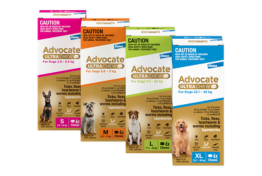
Advocate™ Ultra Chew for dogs
Advocate Ultra Chew offers the broadest spectrum parasite protection*^ against ticks, fleas, demodex mites, heartworm disease and intestinal worms including tapeworms.
ARTICLES




References
- Healthdirect - Keeping healthy and safe with pets and other animals
- Healthdirect - Worms in humans
- Healthdirect - Toxoplasmosis
- Victorian Department of Health - Hydatid disease (echinococcosis)
- Victorian Department of Health - Ringworm or tinea (dermatophytosis)
- Victorian Department of Health - Fleas: pest control
