


Feline Chronic Kidney Disease
A Guide to Symptoms and Your Cat's Care
As a cat owner, you know your feline friend better than anyone. However, cats are experts at hiding illness, especially when it comes to Feline Chronic Kidney Disease (CKD). Often referred to as the "silent" condition, CKD is common in middle-aged and senior cats (those cats older than 7), but the early signs are easy to miss.
This guide will help you identify the signs of kidney problems in cats and explain why early detection is vital for their long-term health.
What is Chronic Kidney Disease (CKD) in cats?
The kidneys are essential for filtering waste from the blood and maintaining hydration. In cases of chronic renal failure in cats, the kidney tissues gradually lose function over months or years.
While CKD is a progressive condition and not curable, we can provide our cats with treatment and care that helps improve their quality of life. With early diagnosis and the right management, many cats continue to live happy, high-quality lives for years after their diagnosis.
6 Common Cat Kidney Disease Symptoms to Watch For:
 Increased thirst (polydipsia)
If you find yourself refilling the water bowl more often, or if your cat is suddenly drinking from taps or the shower.
 More frequent urination
You may notice larger or more frequent clumps in their litter tray.
 Unexplained weight loss
You might notice your cat feels "bonier" along their spine or hips, even if they still seem to be eating.
 Poor coat condition
Cats with CKD may stop grooming effectively, leading to a
dull or matted coat. Lethargy
A general lack of energy, sleeping more than usual, or a reluctance to jump onto their favourite spots.
 Decreased appetite
They may become "fussy" with their food or lose interest in treats they previously loved.
Why you should visit your vet early
If you notice any of these symptoms, the best course of action is to book an appointment with your local vet. Early diagnosis allows for a wider range of management options, such as:
- Specialised Renal Diets: These are formulated to reduce the workload on the kidneys by managing protein and phosphorus levels.
- Hydration Strategies: Switching to wet food or using water fountains can help support kidney function.
- Blood Pressure Management: Many cats with CKD also have high blood pressure, which your vet can help regulate.
- Anaemia: As chronic kidney disease progresses cats often develop anaemia, which can be managed effectively using new treatments designed for cats.
- Weight support: older cats and those with CKD often suffer with loss of appetite. Your vet can suggest treatments to support weight maintenance and appetite.
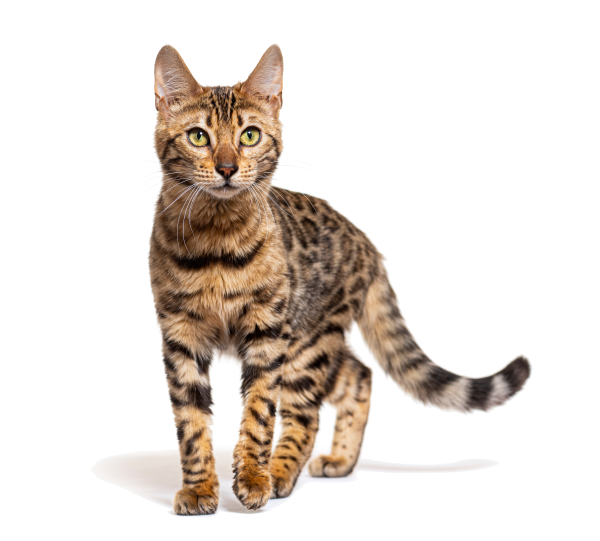
Take action for your cat's health
A simple blood and urine test at your vet practice can provide peace of mind or a clear path forward. Don't wait for the symptoms to become severe — early intervention is the key to more good days together.
If your cat is showing signs of CKD, make sure to visit your vet & ask about all the available treatment options
Want to know more?

Activate 10% off* Petplan
Receive a 10% off introductory offer when you insure your pet online with our partner Petplan today.
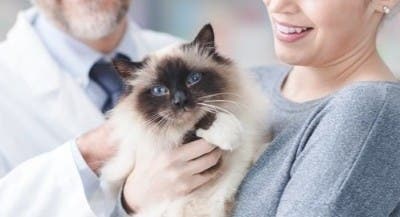
Pet insurance: your essential guide
Everything you need to know about insurance for your pet.

Not all flea and tick treatments are the same!
Find out about stress-free solutions for cats to see what options would suit you and your cat best.